






There are many experiences we would gladly do without. For most, surgery under general anesthesia and with mechanical ventilation is certainly one of them. Compared to previous generations, however, we now have a decisive advantage, because medical technology has developed at a breathtaking pace in recent years. Innovative anesthesia and ventilation systems contribute significantly to making the anesthesia required for surgery increasingly safer and gentler. Drive solutions perfectly matched to these sophisticated systems play a key role in this.
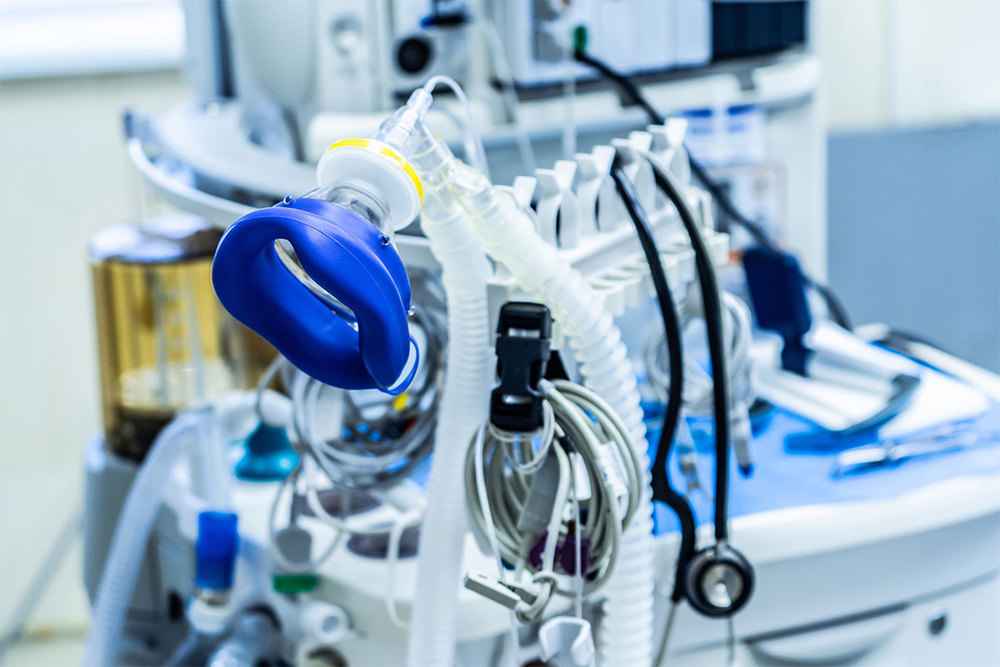
A typical example of the capabilities of modern medical technology is the Zeus Infinity Empowered (IE) anesthesia machine from Dräger, which enables the complete spectrum – from differentiated ventilation therapy to monitoring, integration of infusion technology and automation of partial functions – with one system.
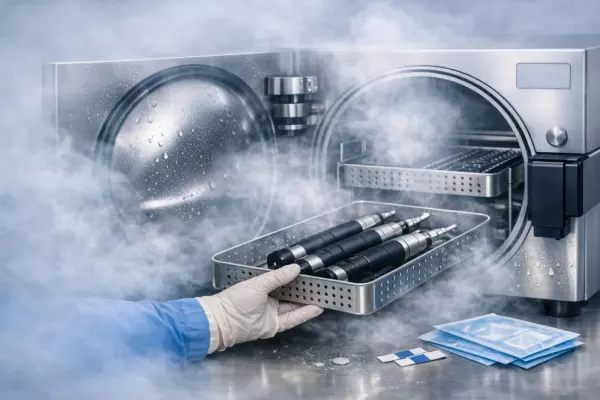
With a turbine ventilator, the device can also be operated as a closed anesthesia system with complete rebreathing. The precise dosing of anesthetic gases in the closed system reduces gas and anesthetic consumption. Turbine-based ventilation also allows the patient to breathe freely (spontaneously) at all times. Both adults and children, including newborns, can be adequately ventilated throughout the entire anesthesia. The turbine unit, often also called a blower unit, can be replaced in just a few steps if necessary and is autoclavable, meaning it is sterilized after intensive treatment with 134°C steam.
This places high demands on the components used, as the turbine, drive, and other parts must withstand the hot steam. Material selection is by no means trivial. All components installed in the turbine unit must be made of biocompatible materials, as they come into direct contact with the patient's breathing air. Compact dimensions are also essential to ensure the unit integrates well into the anesthesia machine and is easy to handle during replacement and cleaning. Therefore, in addition to robustness, biocompatibility, and reliability, a high power density is mandatory for the motor.
These requirements cannot be met with off-the-shelf components. "For the development of the turbine unit for our Zeus IE, we finally found a competent partner in FAULHABER, who impressed us not only with their drive technology expertise but also with their systems competence," says Torsten Theede, Global Commodity Manager Electronics at Dräger. "We worked closely together from the very beginning of the development process, and today the Schönaich-based company supplies us with the complete, ready-to-install unit, which consists entirely of components specifically tailored to our application."
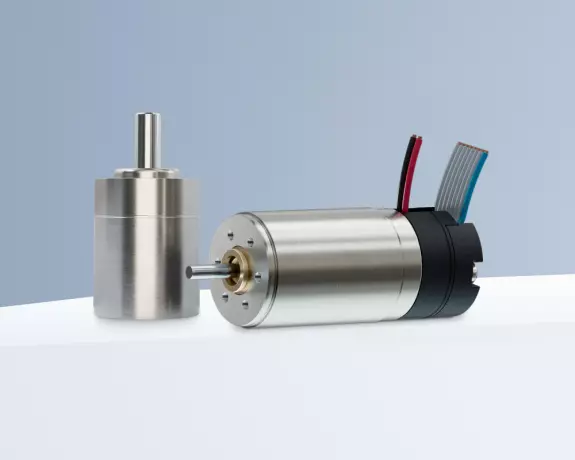
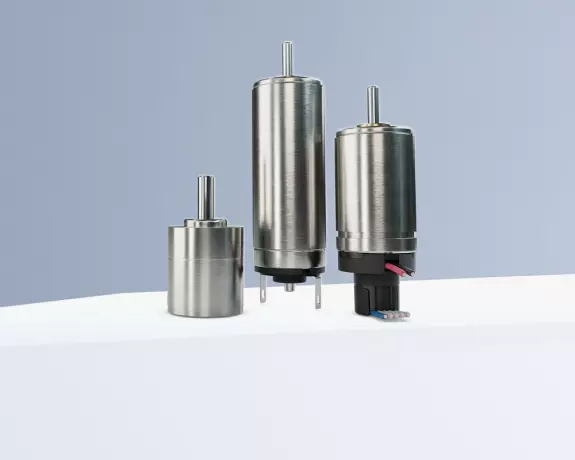
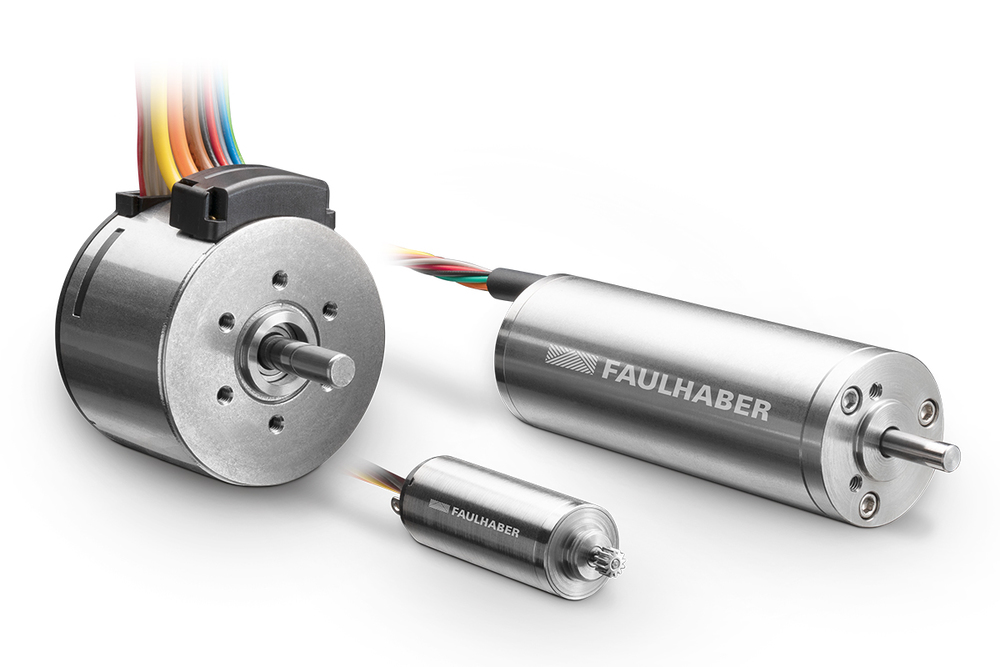
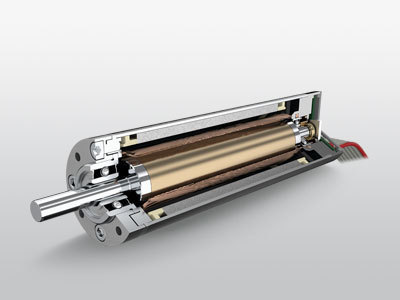
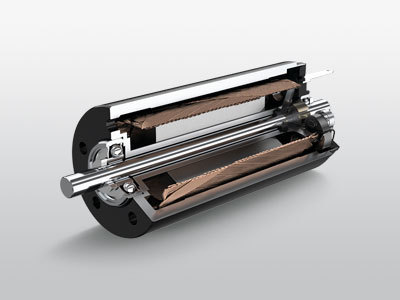
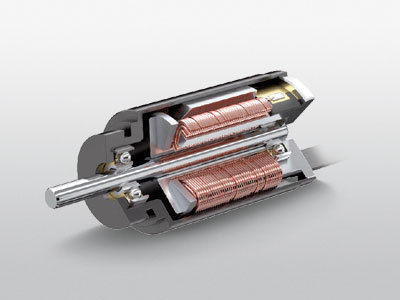
A brushless DC motor was chosen as the basis for driving the blower unit. The DC motors from the FAULHABER product range are designed for extreme operating conditions and are therefore frequently used wherever high reliability, precise function, and a long service life are required. Smooth running, low noise, high performance, and dynamics in a compact design are also among their typical characteristics. Nevertheless, the drive system sought for the blower unit presented the developers with significant challenges: Ultimately, a compact powerhouse was needed that could accelerate and decelerate in milliseconds. "This is crucial so that the patient isn't forced to breathe against the machine," explains Theede. "The blower unit, and therefore its drive system, must react extremely quickly and precisely."
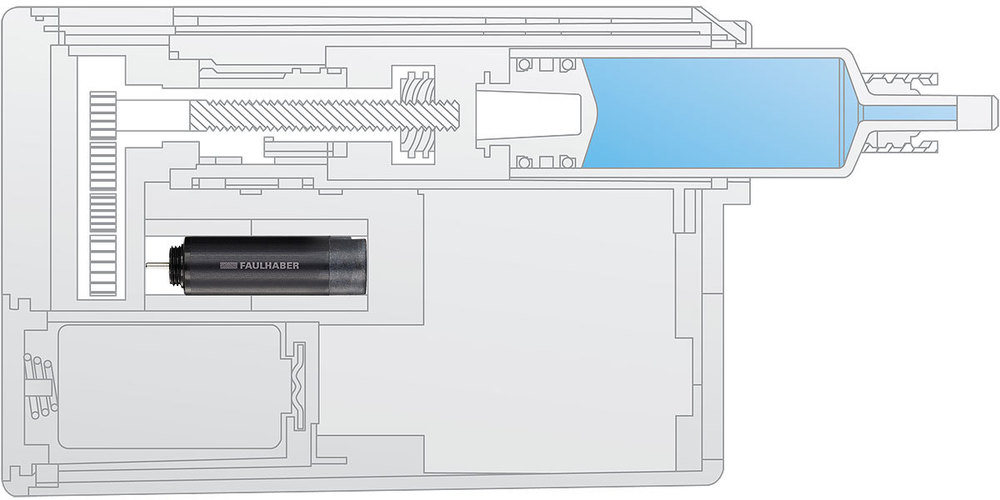
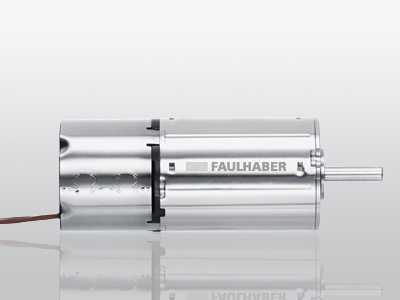
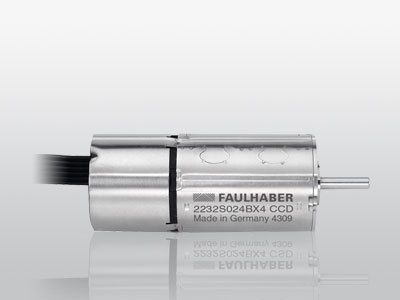
The challenges were overcome, and the result is impressive. The brushless DC motor, custom-designed for the blower unit, is housed in a robust stainless steel casing and, with a diameter of 24 mm, is only 46 mm long. To achieve the desired performance, the magnets and laminations used were optimized. The requirement to use only biocompatible lubricants and adhesives, and that the entire unit be autoclavable, made material selection a demanding task. For example, the developers collaborated with external specialists to find the optimal material pairing with biocompatible lubricants for the extremely high speeds required for the ball bearings.
The system is also mechanically impressive: The impeller pump that generates the airflow is mounted directly on the motor. The electrical connections are embedded in the potting compound. An EPROM is also integrated into the potting compound, which, if required, can retrieve the serial number, the drive history, and even the number of units.