










When a child is born prematurely, its development in the womb is not yet complete. An incubator, such as one from Tende Elektronik, provides the necessary protected space for the child to catch up. The medical technology specialist from Ankara relies on fan motors from FAULHABER for the climate control of its incubators.
A normal pregnancy lasts forty weeks. During this time, the baby receives everything it needs in the womb. It gets oxygen and nutrients through the umbilical cord, and the amniotic fluid and the mother's body heat ensure the ideal temperature. Her movements and touch, as well as the sounds of her body and the outside world, provide sensory input that is crucial for brain development. Premature birth deprives the fetus of these vital resources.
Thanks to modern neonatal medicine – the medical care provided to premature babies – babies born as early as the 25th week of pregnancy have a good chance of surviving outside the womb. Around 80 percent of premature babies can even catch up on their growth deficit within the first two years and develop completely normally.
In the first weeks and months, however, they need comprehensive care and the protective environment of an incubator. The incubator simulates the physiological conditions that normally prevail in the mother's womb. Besides various ways of assisting with feeding, it primarily offers a comfortable and constant warmth as well as consistent humidity.
These are crucial factors, because the child's organs are – depending on the time elapsed since the normal due date – more or less significantly underdeveloped. The small body is not yet able to regulate its own temperature. Furthermore, the lungs often require enriched air to absorb enough oxygen.
“The incubator is supplied with precisely temperature-controlled and humidified air,” explains Ferhat Yıldız, CEO of Tende Elektronik. “It is transported into the interior of the box like by an impeller, that is, a propeller enclosed in a housing. This fan is therefore a crucial component for the function of the incubator and the well-being of the baby.”
The impeller has to do more than simply supply a constant flow of air, because the incubator cannot remain closed continuously. For the care and treatment of the baby, and of course for essential physical contact with the parents, it is regularly opened fully or partially. The fan then creates an "air curtain" that largely prevents colder air from entering. At the same time, it supplies more warm air to compensate for the inevitable temperature drop. The impeller's rotational speed therefore also regulates the temperature inside the incubator.
At the same time, the fan and its electric drive are also a source of noise located very close to the baby's small body. Like the other organs, a premature baby's ears are not yet fully developed and are therefore particularly sensitive. If the noise level rises above a certain, comparatively very low value, there is a risk of permanent hearing damage. Since the impeller runs continuously, its operating noise must be significantly below this value.
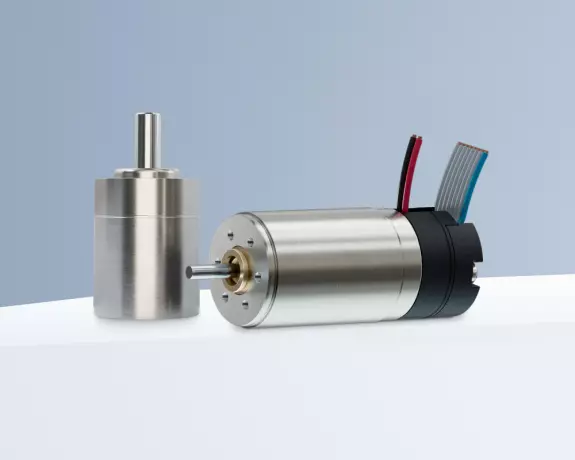
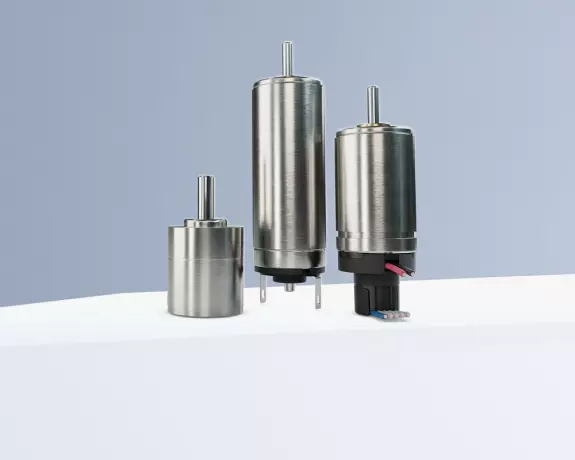
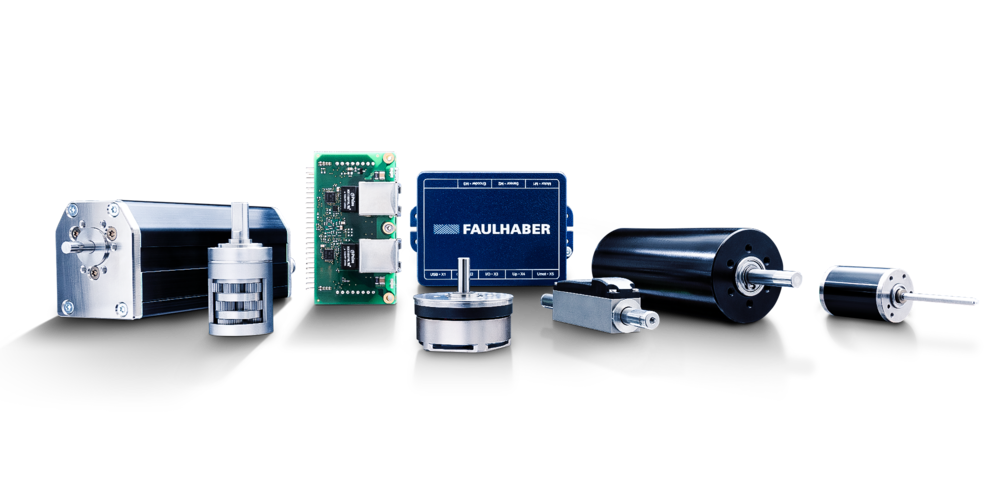
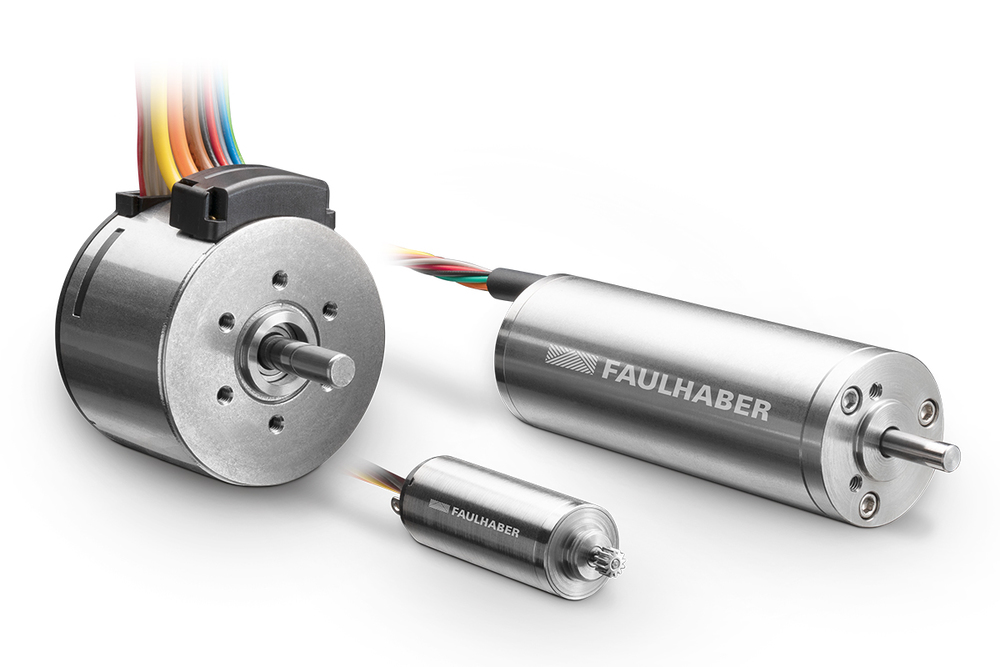
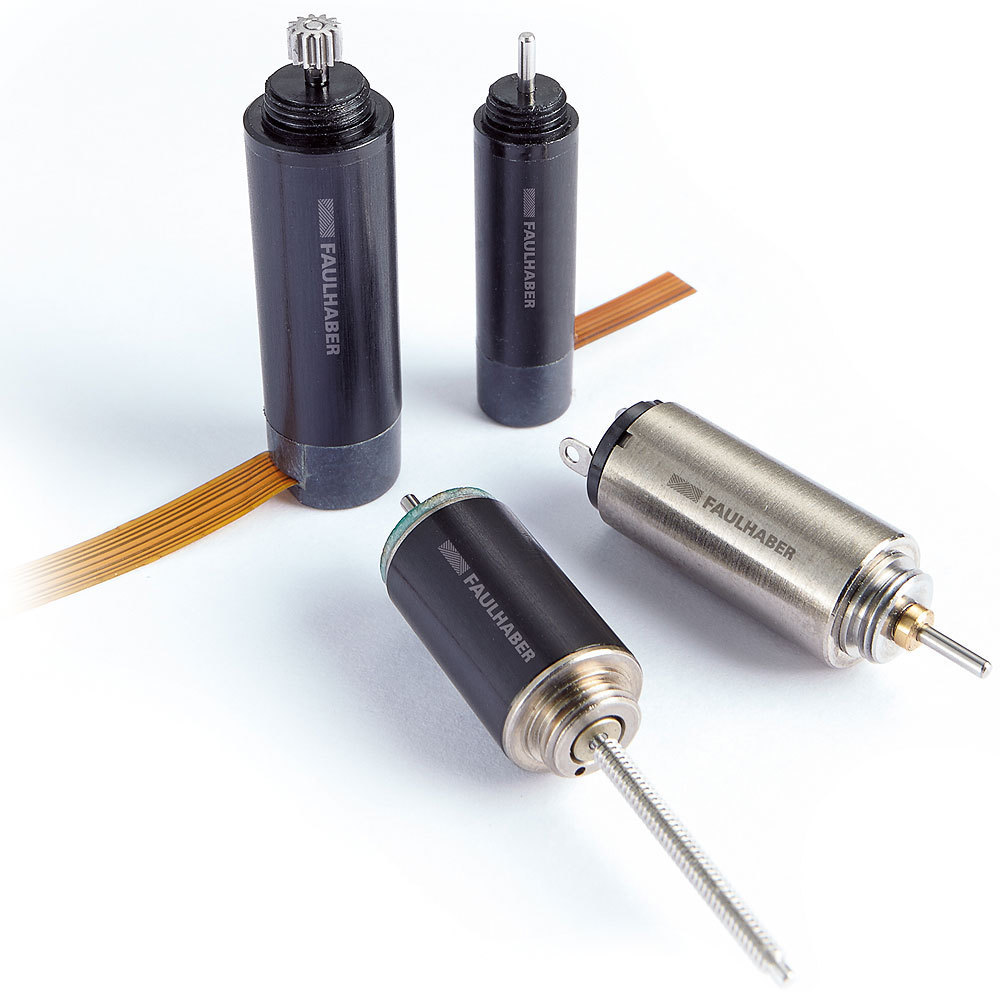
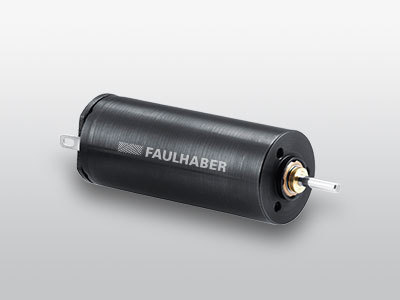
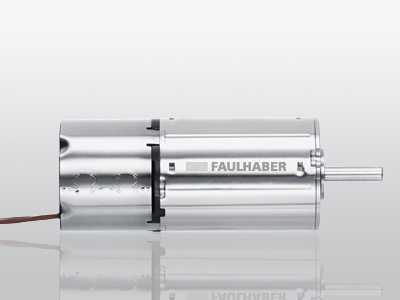
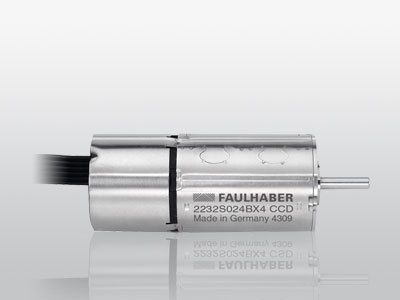
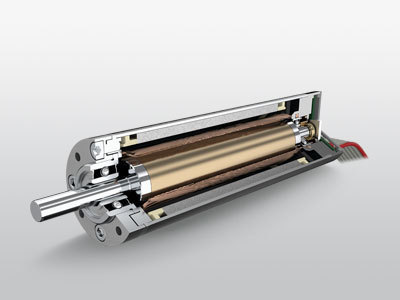
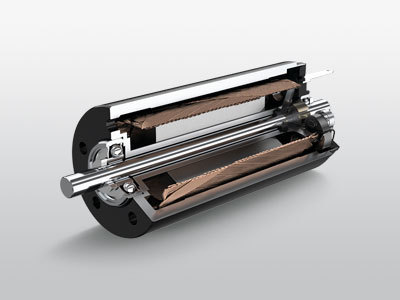
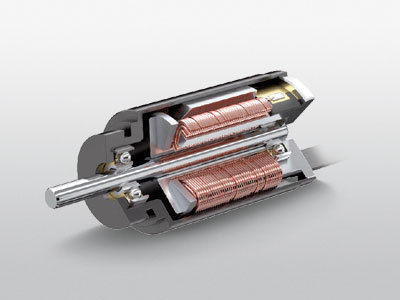
This results in a clear requirement for the drive: it must run as quietly as possible. The FAULHABER motor achieves this, among other things, through its ironless design, which eliminates cogging torque: the "jerking" with each revolution, unavoidable in electric motors with iron armatures, cannot occur here. The noise of electromagnetic interference is also minimized by an integrated speed controller. Another source of noise is pulse-width modulation (PWM): this switches the motor's power supply on and off at very short intervals. The pulse width – the interval between the switching operations and their respective duration – influences the speed and allows for precise control. However, PWM can cause a humming noise. The so-called electrical noise is avoided in the brushless DC servomotors used here – 2232...BX4 SC for stationary and 3153...BRC for mobile incubators (both models have integrated speed controllers) – by the very high frequency of the PWM and the elimination of a separate supply wire between the motor and the electronics.
“Crucial for minimized noise is also the perfect balance and minimal tolerances of the individual components,” explains Tiziano Bordonzotti. He coordinated the collaboration with Tende Elektronik at FAULHABER and organized the development of the customized solution. “This results in the excellent running characteristics of the motors.” These play a major role in…