


Sterile Containers / Cassettes for Dental...
85.142.10 NORM-TRAY-BOTTOM, PERFORATED, STAINLESS STEEL 18 X 14 X 1,9CM, 1/2 SIZE 85.142.20...
Portal and digital medical technology fair of the largest MedTech cluster in Germany
Sterile Containers / Cassettes for Dental...
85.142.10 NORM-TRAY-BOTTOM, PERFORATED, STAINLESS STEEL 18 X 14 X 1,9CM, 1/2 SIZE 85.142.20...

Periodontal Probes - Dental Instruments for...
24.212.01 PROBE PERIODONTIC, COMB.PERIODONTOMETER NORTH CAROLINA CNC (1-15 IN MM-STEPS) & EXP...

Periotomes / Desmotome - Dental Instruments...
Periotomes / Desmotome - Dental Instruments for Extraction 17.045.00 ROOT ELEVATOR/APPROXIMAL...


Universal /Clamps dental instruments
Universal /Clamps dental instruments from Schwert 1248 HAEMOST.FORCEPS STRAIGHT...

Bone Treatment - dental instruments
Bone Treatment - dental instruments from Schwert 1418-3 BONE RASPATORY FOR GAINING A...

Explorers for Dental Instruments - Diagnosics
24.098.03A EXPLORER-INSET, OPERATIVE, FIG. 3A, M4X,05 24.099.08 EXPLORER INSERT, OPERATIVE...

Chisels / Files / OMF - Dental Surgical Instrument-Sets
41.550.00 CHISEL, OSTEOTOM SET IDR KIT ACC. TO DR. J. C. M. ROSA CONSISTING OF: 41.550.06 C...

Dental Container and Accessories for instrument...
Dental Container and Accessoriesr for instrument reprocessing made by Schwert 2607-040 ST...

Composite Instruments - Dental Instruments...
Composite Instruments - Dental Instruments for Conservative Dentistry 19.201....

Extracting Forceps Standard - Dental Instruments...
Extracting Forceps Standard - Dental Instruments for Extraction 10.001.00 EXTRACTING FORCEPS,...

Dental Forceps- Extraction made by Schwert 152-1 DENTAL FORCEPS, SURE-GRIP BEAKS, FIG. 1 UPPER...

Mouth Mirrors for Dental Instruments - Diagnostics
24.061.22 MOUTH MIRROR, PLANE, (SIZE 4) Ø 22 MM SIMPLE -THREAD, STAINLESS PER DOZEN 24....

Micro Bone Rongeurs - Dental Surgical Instruments
42.315.16 BONE RONGEUR FORCEPS FRIEDMAN, MICRO-BONE RONGEUR FORCEPS, SLIGHTLY CURVED, 15.5 CM...

Sinus Instruments - Dental Implant Instruments
24.995.00 SINUS LIFT INSTRUMENT-SET, BY DR.KIRSCH SINUS ELEVATORS 24.995.00S KIRSCH SINUS L...


Surgical instruments for oral surgeons
Surgical instruments are an important criterion in the competence of an oral surgeon. The focus is...

Excavators Dental instruments Restorative...
Excavators Dental instruments Restorative / Endodontic made by Schwert 3462-243 EXCA...

Explorers - Diagnostic Instruments Dental
Explorers - Diagnostic Instruments Dental made by Schwert 3007-16 EXPL...

CARRIER, AMALGAM AMALGAM GUN, WITH SCREW...
CARRIER, AMALGAM AMALGAM GUN, WITH SCREW OFF PLASTIC POINT, 45° 19.080.12 SETTER, BAND EAS...


Denzel Medical GmbH & Co. KG (EN)
78579 Neuhausen, Deutschland
Forécreu Deutschland GmbH (EN)
89077 Ulm, Deutschland

TEBIT GmbH & Co. KG - The Medical Group (EN)
58540 Meinerzhagen, Deutschland

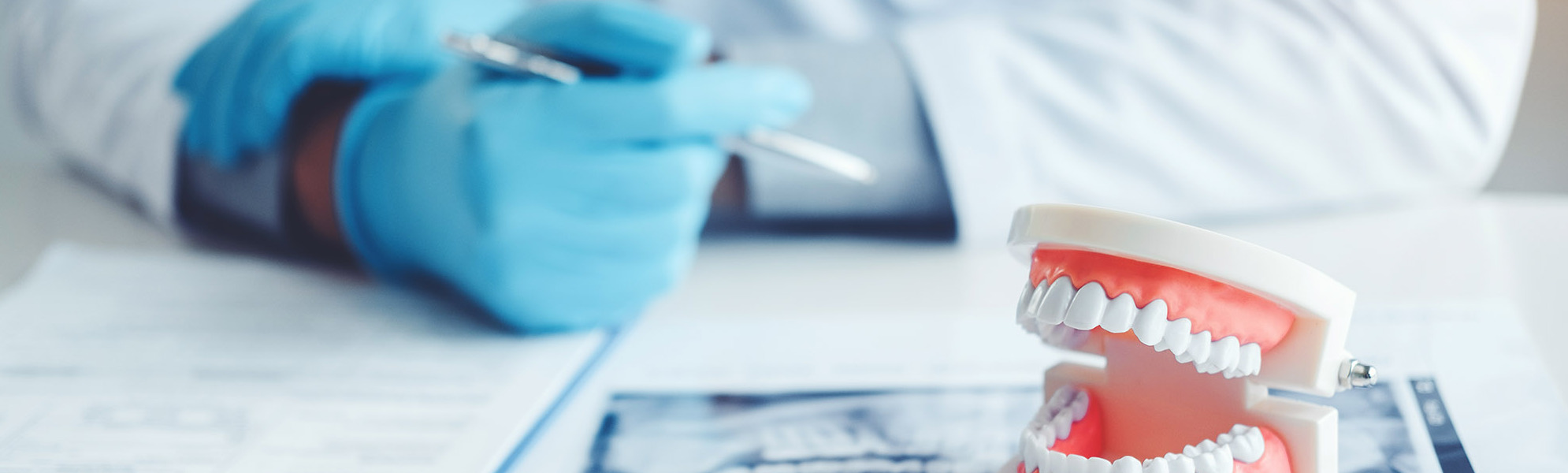
Dental instruments stands for dentistry, oral care and the close link between diagnostics, treatment and practice efficiency. In this field, precision, hygiene and patient communication matter especially much.
Typical topics include dental instruments, prosthetics, implantology, imaging, treatment units and laboratory workflows. Depending on the subcategory, consumables, reprocessing and practice equipment may also be included.
What matters most is fit, ergonomics, sterility, clinical safety and how well a solution fits into everyday treatment workflows. Many users also care about cost-effectiveness and maintenance effort.
This category is relevant for dental practices, laboratories, hospitals, manufacturers and dental distributors. It helps users compare products and services in a highly specialised setting.
In the market, solutions that are precise, hygienic, well documented and economically sustainable have the advantage. Good landing pages should show both the practical benefit and the specialist context.
In real-world settings, the deciding factor is often how well an offer matches the needs of users, procurement teams and specialist departments. Product features matter, but so do availability, documentation, service, training and the ability to fit cleanly into existing workflows. The clearer a company can position itself here, the easier it becomes to classify its offer in a meaningful way.
A well-built category page helps visitors understand the difference between providers, specialisations and concrete solutions much faster. People searching for Dental instruments usually want more than a term alone. They want the right context, the right technical depth and a dependable first overview. That is what makes the category valuable for users and search engines alike.
That makes the page a clear entry into dental medicine.
Become a digital exhibitor yourself in the online portal of the largest and best-known MedTech cluster region in Germany and inform the world of medical technology about your products and services as well as about news, events and career opportunities.
With an attractive online profile, we will help you to present yourself professionally on our portal as well as on Google and on social media.